












Building Trust through
Civil Engagement
Our article moves beyond definitions and perception-based analyses to focus on how institutional trust is built through good governance and the Civil Engagement Model©.
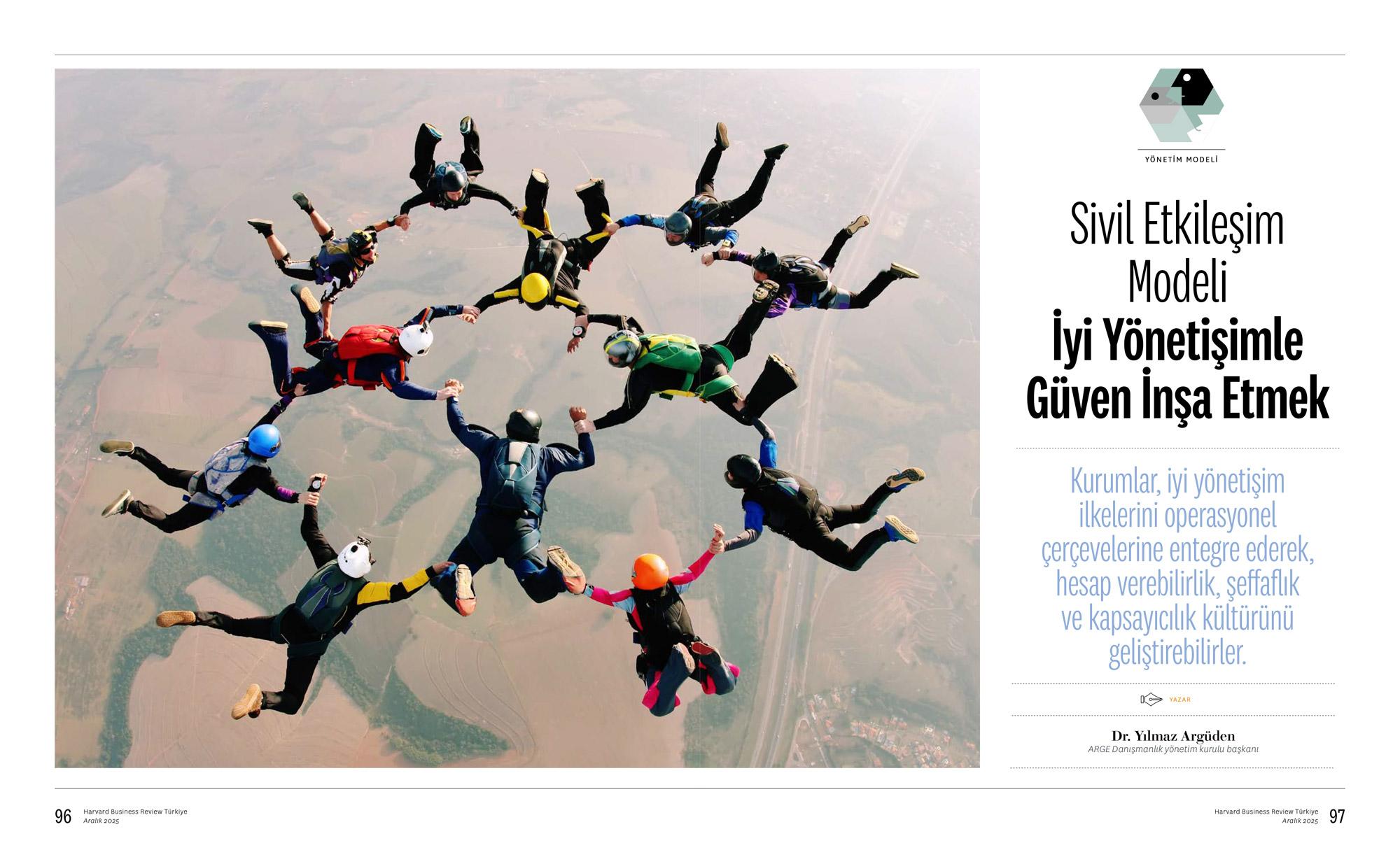
Our article moves beyond definitions and perception-based analyses to focus on how institutional trust is built through good governance and the Civil Engagement Model©.

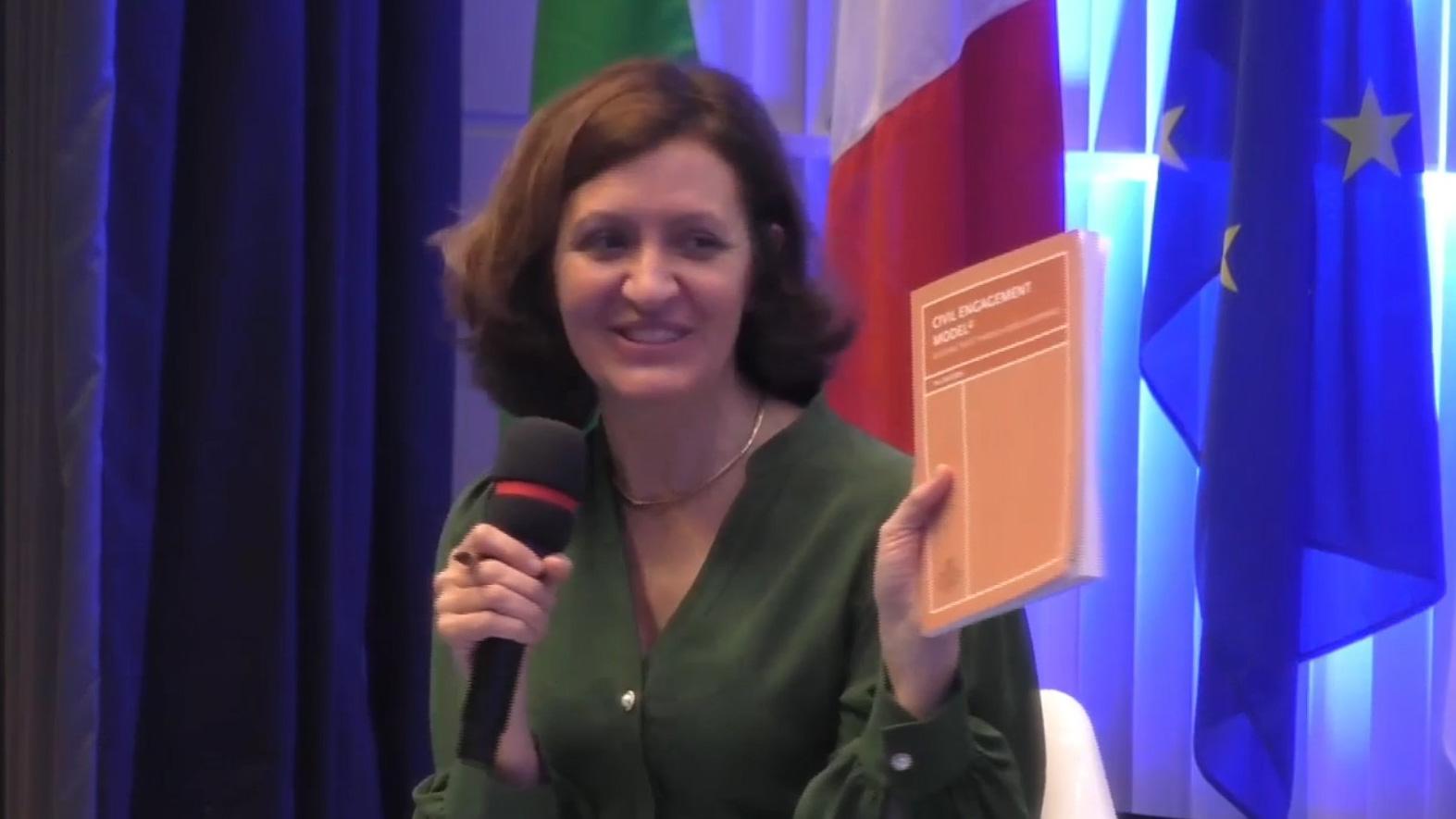
In the panel on building trust and strengthening democracy at the OECD Global Forum, the Civil Engagement Model© was highlighted as a good practice for its approach that makes trust-building processes measurable and actionable. The Model’s approach sets out a concrete roadmap for strengthening trust-based collaboration between public institutions and civil society.
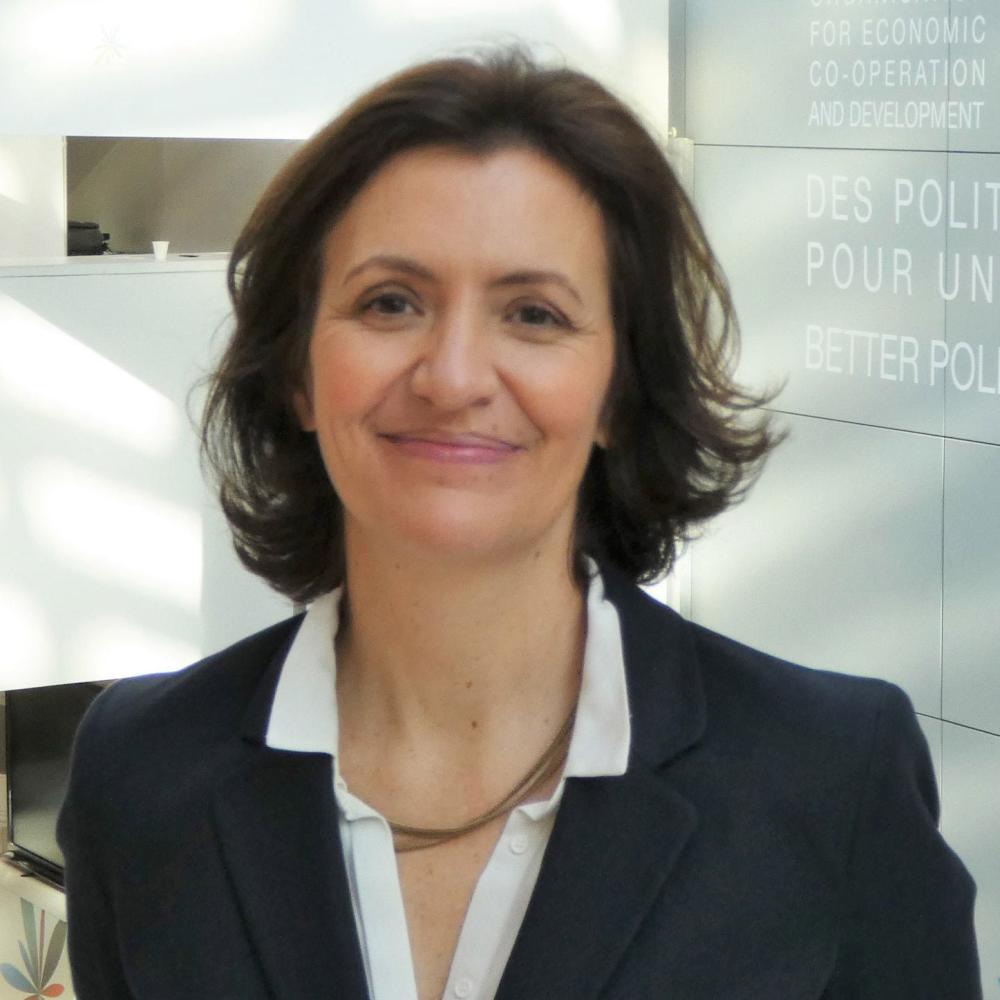
I got this book today from Dr. Yılmaz Argüden. The Academy closely follows the OECD on this matter and conducts its own research. I encourage everybody to have a look at Civil Engagement Model© as well, I think this is great.
At the Leaders’ Summit held within the Transformational Governance Thinklab established by UN Global Compact, our Chair of the Board of Trustees, Dr. Yılmaz Argüden, delivered a keynote speech titled The Transformative Power of Governance. In the article he shared within the same framework, he emphasized that sustainability cannot be addressed solely through ESG reporting, and underscored the needs to be handled environmental, economic, and social impacts in an integrated manner through the G(EES) approach, in which governance is placed at the center.

At our panel on combating corruption from a governance and ethics perspective, we shared approaches focused on transparency, risk management, and accountability. The event featured a video message from Sir Mark Moody-Stuart and welcomed Cristina Ritter of UN Global Compact as the guest of honor.
Transformational governance is the key to anti-corruption. We need to develop a comprehensive approach and integrate the concept of ethical leadership and a culture of integrity into all processes. In an ethical, transparent, and accountable environment, organizations can focus on economic development and innovation. We can make a difference with collective action against corruption.

We shared insights on how to use data for mapping, measuring, and improving practices of good local governance with a citizen-centric perspective. At this seminar, which we attended at the invitation of the Good Governance Academy, we provided examples from the Metropolitan Municipality Governance Scorecard, contributing to global learning.
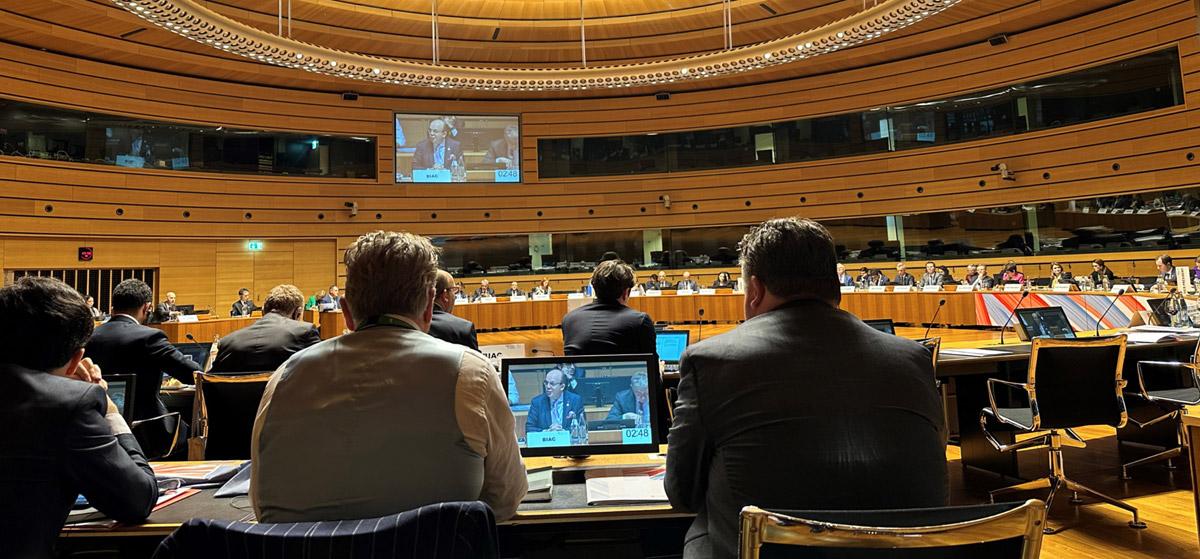
We are promoting “good governance” –which aims to enhance trust in institutions– on the agenda of international organizations such as the OECD and the United Nations. To achieve this goal, we advocated for a culture of good governance and put topics such as “Good Governance Day” and “Building Trust”, “Strengthening Democracy” on their agenda.
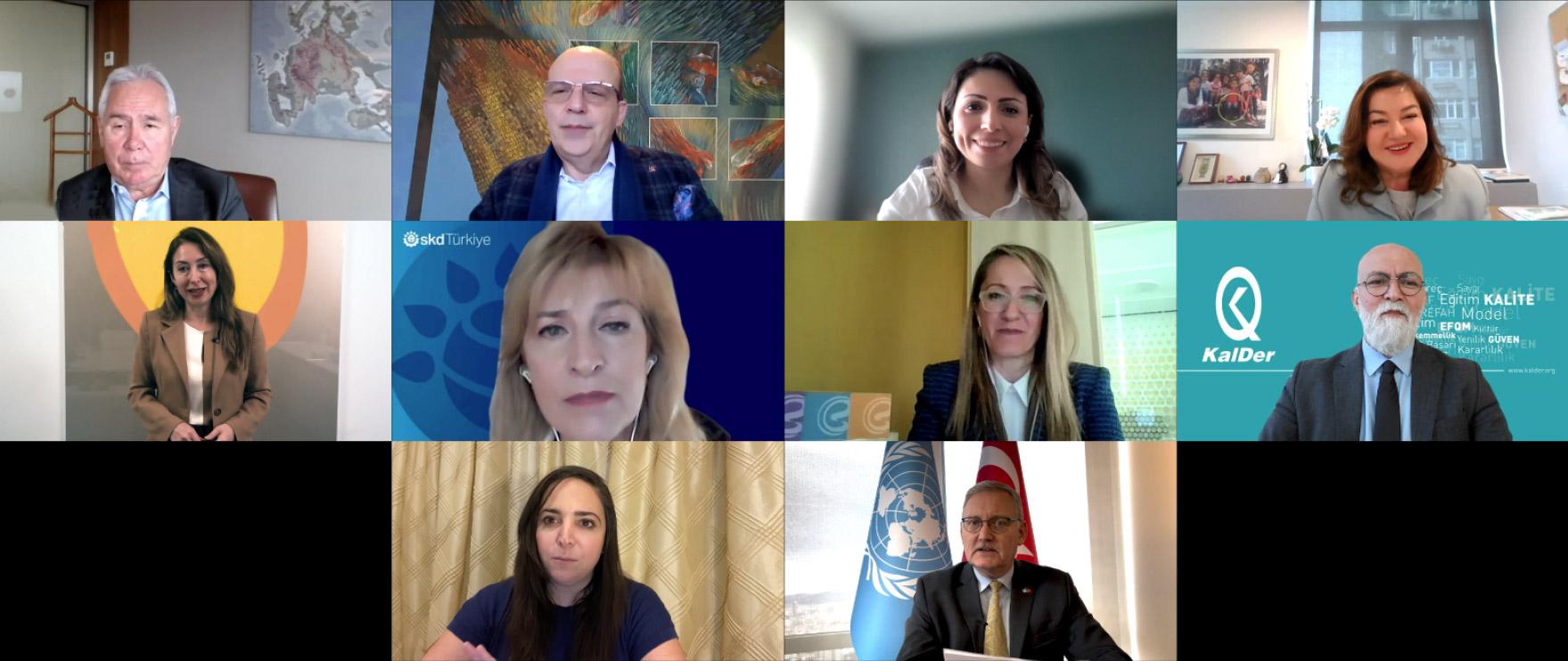
SDG16: Good Governance Day was celebrated with the participation of UN Global Compact, United Nations Türkiye, Global Compact Türkiye, OECD, Economic Policy Research Foundation of Türkiye (TEPAV), and Turkish Economic and Social Studies Foundation (TESEV).
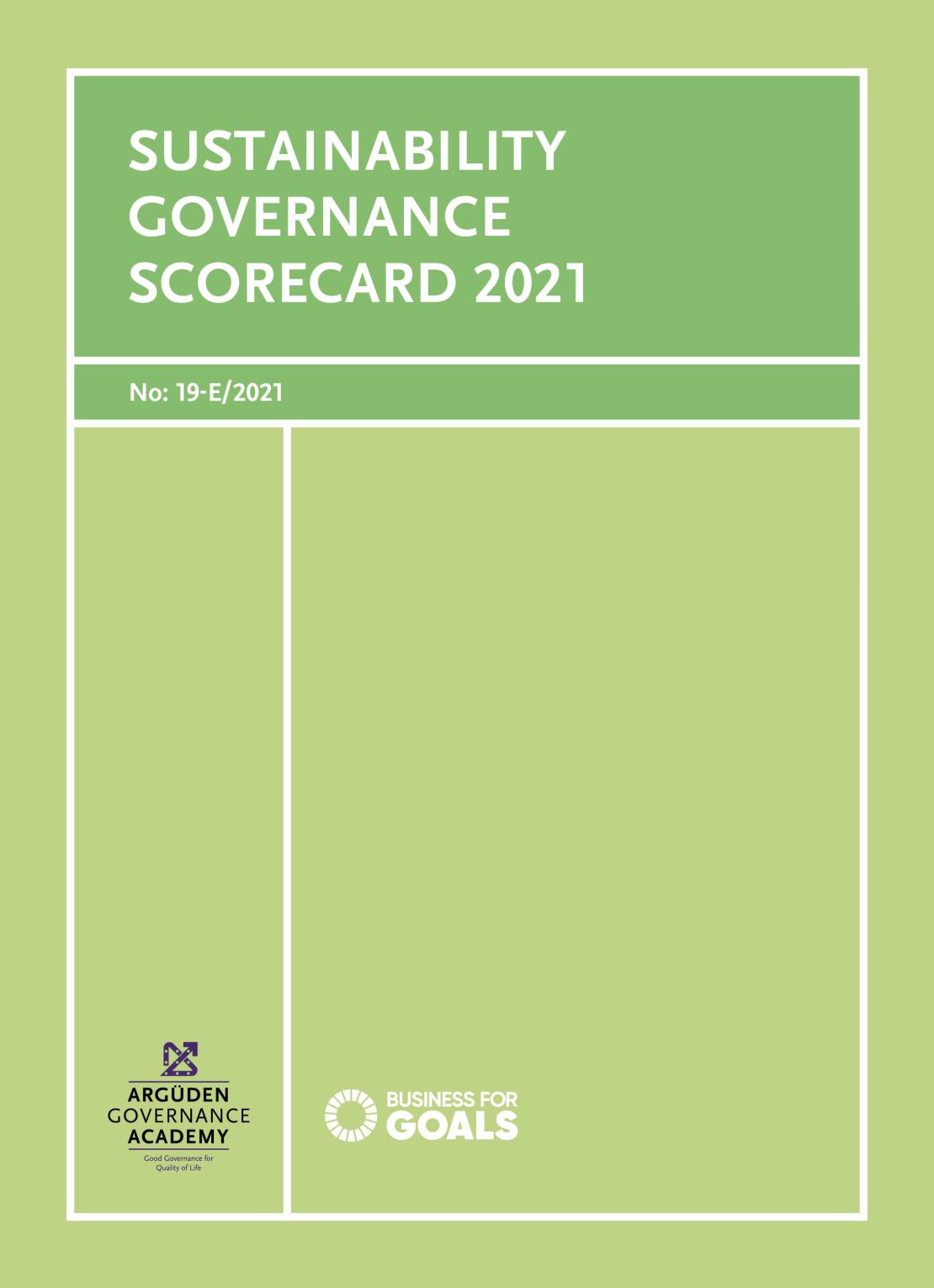
We were invited to the Value Reporting Foundation Global Conference to share the results of our Sustainability Governance Scorecard© 2021 Report.
Our SGScorecard Model was also cited as a good example to G20 leaders in B20 Tokyo.
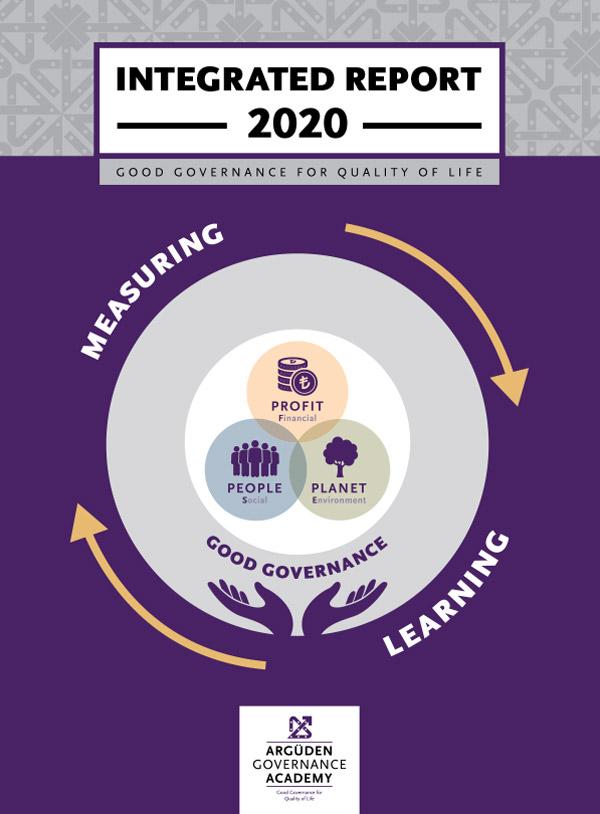
We suggest using the Governance of Economic, Environmental, and Social issues –G(EES)– instead of Environmental, Social, and Governance –ESG– to measure sustainability activities.
By featuring this suggestion on the cover of our 2020 Integrated Report, we drew attention to the importance of managing and measuring corporate activities from a good governance perspective.
SEBI, the regulatory agency of the Indian Ministry of Economy made it mandatory for companies to share their Board Skills Matrix, which was one of the recommendations of our 2019 SGScorecard research.
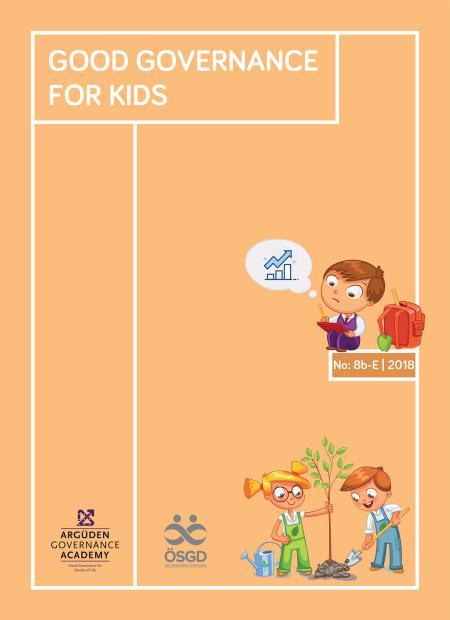

With the Good Governance for Children Training, our aim is to encourage children worldwide to embrace good governance principles. We have translated our materials to English and collaborated with KidZania to expand our program to 20 nations, such as Mexico, France, Japan, and the United States.
By embracing an integrated thinking culture and implementing it consistently throughout the year, companies can expedite their integrated reporting processes with greater ease.
Our integrated thinking approach allowed us to finish our 2019 Integrated Report in just 40 days, setting an example of delivering accurate information swiftly.
Completing an Integrated Report in 40 days is really impressive, congratulations...

Sustainability Governance Scorecard© helps improve the state of the world by speeding up peer learning from Global Sustainability Leaders. Our Sustainability Governance Scorecard© received broad media attention.
Sustainability Governance Scorecard is very crucial, and I am pleased to be a volunteer ambassador for the dissemination of its philosophy.
The results of our Governance Scorecard of Municipalities for İstanbul Districts© research, which triggers the learning speed of local governments, have been received with interest.
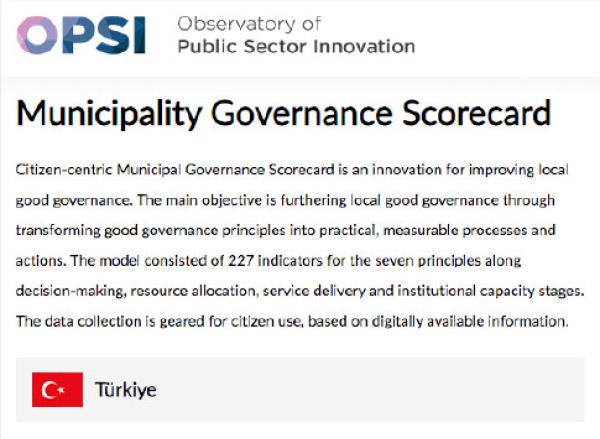
Our model, which we developed in 2017, was announced as a good example of innovative approaches in local governments by the Observatory of Public Sector Innovation (OPSI), affiliated with the OECD.
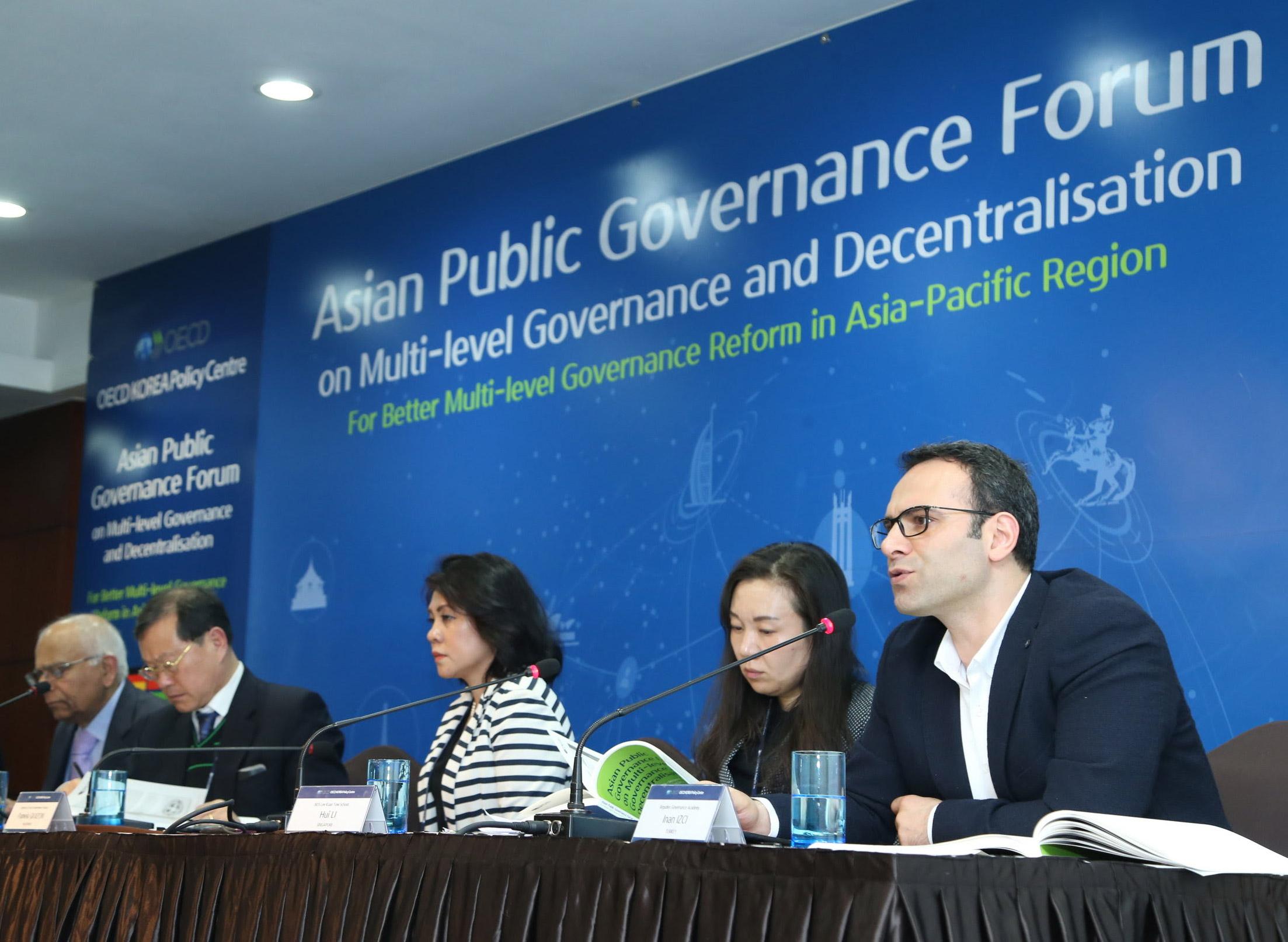
We were invited to the 4th Asia Public Governance Forum and the UN Public Service Forum to introduce our Model. We also presented our Model to the European Commission in Brussels and the World Bank Office in Ankara.
Municipality Governance Scorecard is the first research that transformed governance principles into implementation at this scale.

Kadıköy Municipality adopted our integrated reporting recommendation from the Municipality Governance Scorecard© and published the world's first municipality integrated report in 2019. The Integrated Reporting Model that prepared by ARGE Consulting can be used by all municipalities worldwide and combines, EFQM, OECD Better Life Index, and SDGs.
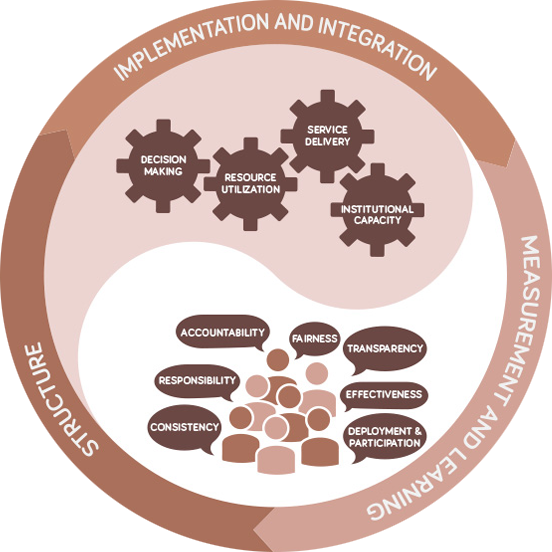
Municipalities are the public institutions that can take the fastest action for improving the quality of life of citizens. The development of our Municipality Governance Scorecard© Model presents a unique model from Türkiye to the world to improve the quality of good governance in local level.
Tools and instruments to assess governance quality is a very important issue both for practitioners and scholars. The Model developed by Argüden Governance Academy is cutting edge.

At the 3rd Asian Public Governance Forum, where we were invited by the OECD, we introduced our Municipality Governance Scorecard© Model and discussed the good governance practices of local governments in Türkiye.
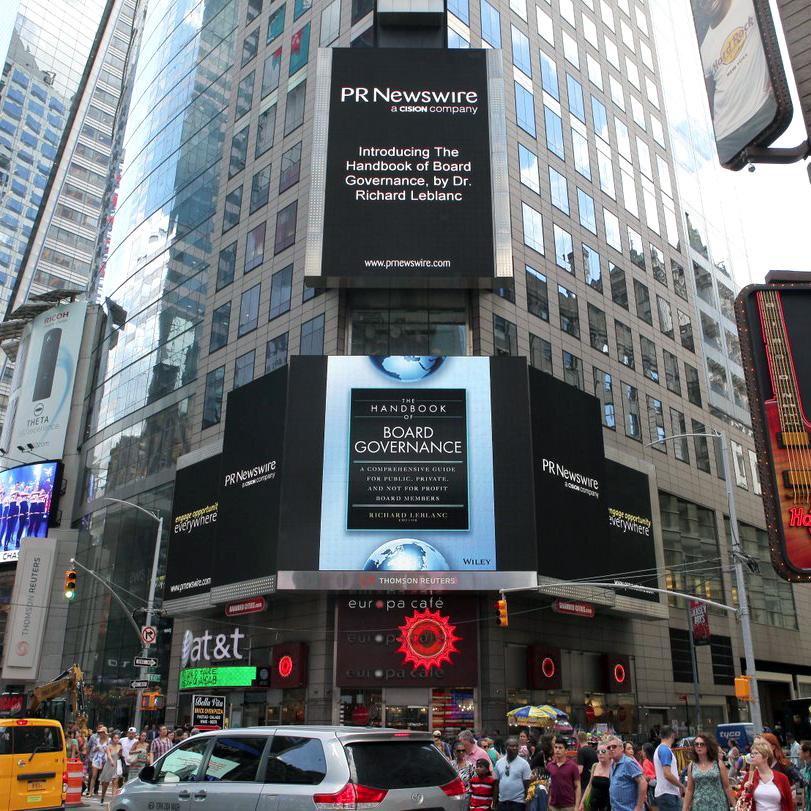
Our Chairman of Trustees, Dr. Yılmaz Argüden, authored the chapter "Responsibilities of Boards for a Sustainable Future" in the Handbook of Board Governance. In this chapter, Dr. Argüden creates opportunities for development by sharing examples of good practices, along with the role of boards and the new standards of sustainability. The chapter, which serves as a guide for integrating sustainability vision into organizational structure, includes a 34-question self-assessment guide for boards to evaluate themselves from a sustainability perspective at the end.
Dr. Argüden is the only Turkish expert invited to the ‘All-Star’ contributor list of The Handbook of Board Governance.
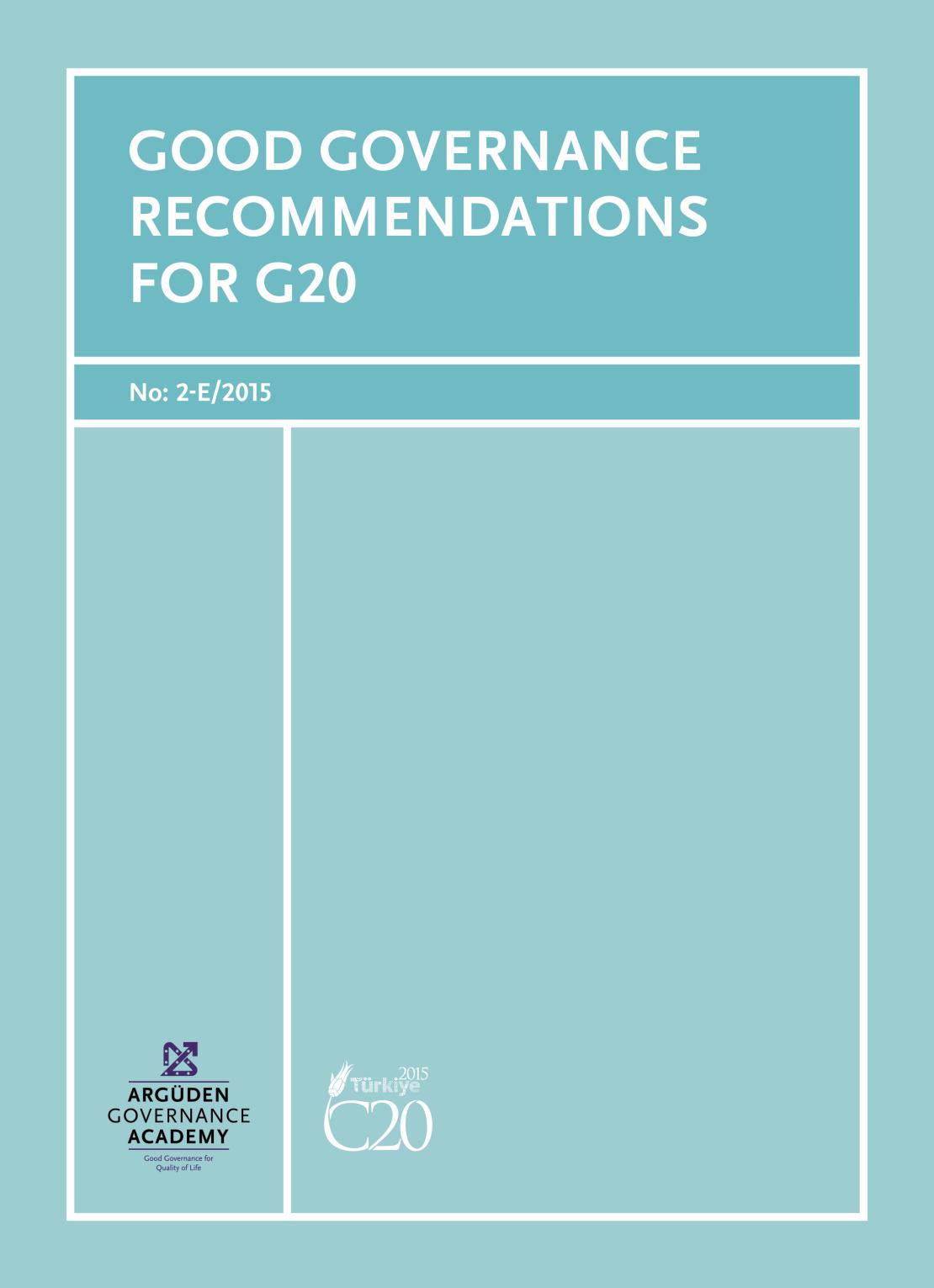
As a member of the C20 Governance Working Group, we shared our recommendations with the G20 governments, representing the world's largest 20 economies, by discussing various national and international issues that are essential for civil society.

Your valuable contributions for improving the quality of reporting are highly appreciated.
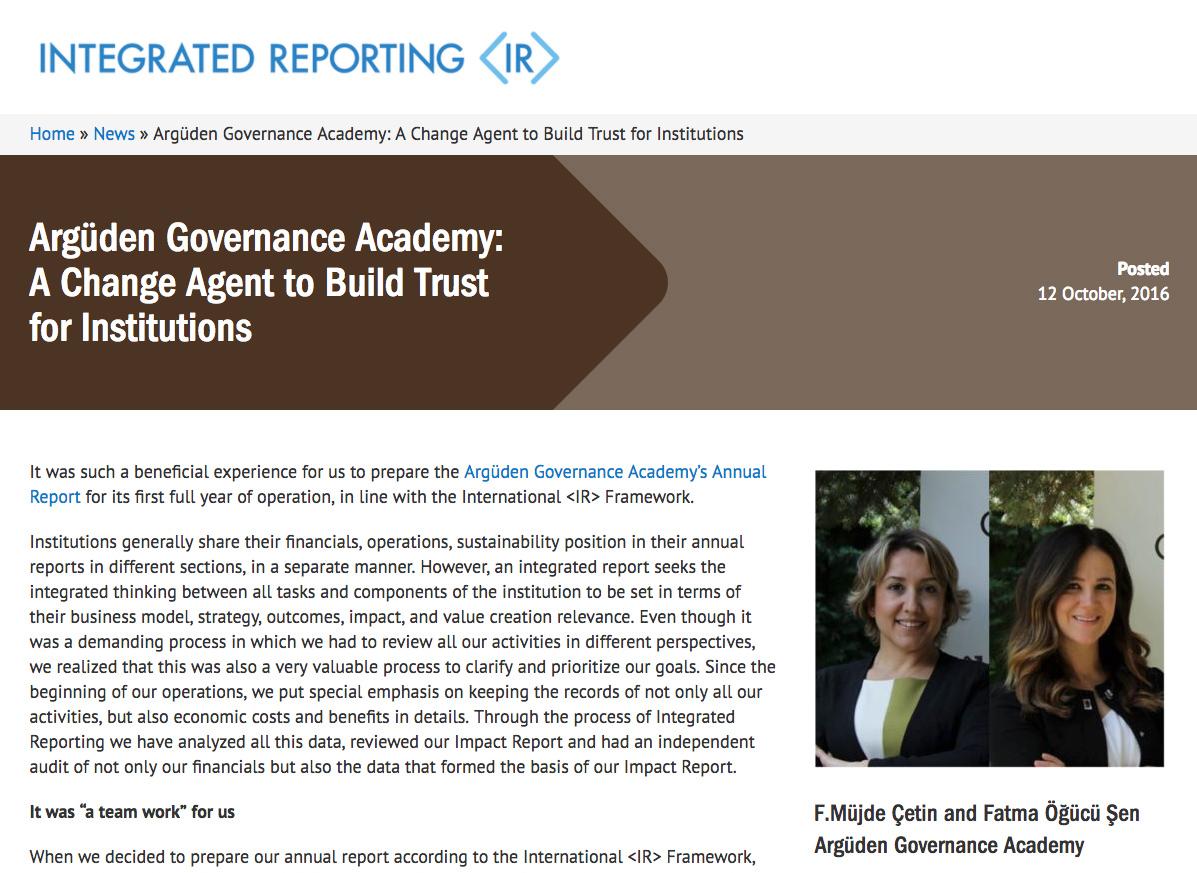
With our 2015 Integrated Report covering our first year of activity, we were among the top 10 NGOs in the world. Our Integrated Reporting experience was showcased as a good example for volunteer organizations on the IIRC website.

At the United Nations General Assembly, Dr. Yılmaz Argüden has addressed the importance of trust in maintaining good governance and sustainable development in his speech at the United Nations HQ.
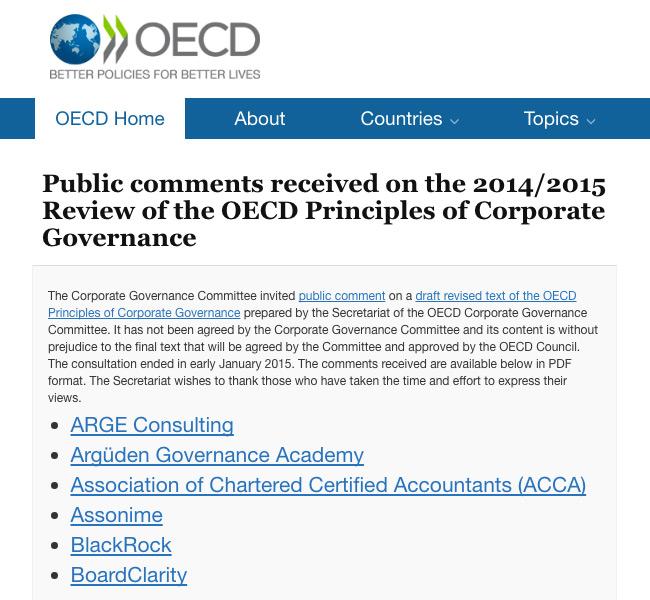
We were among the 75 institutions worldwide to provide opinions on OECD’s Corporate Governance Principles, renewed in 2014–2015.
Our recommendations to the OECD include supporting stakeholder participation at all levels, increasing trust to organizations, and supporting more effective boards.